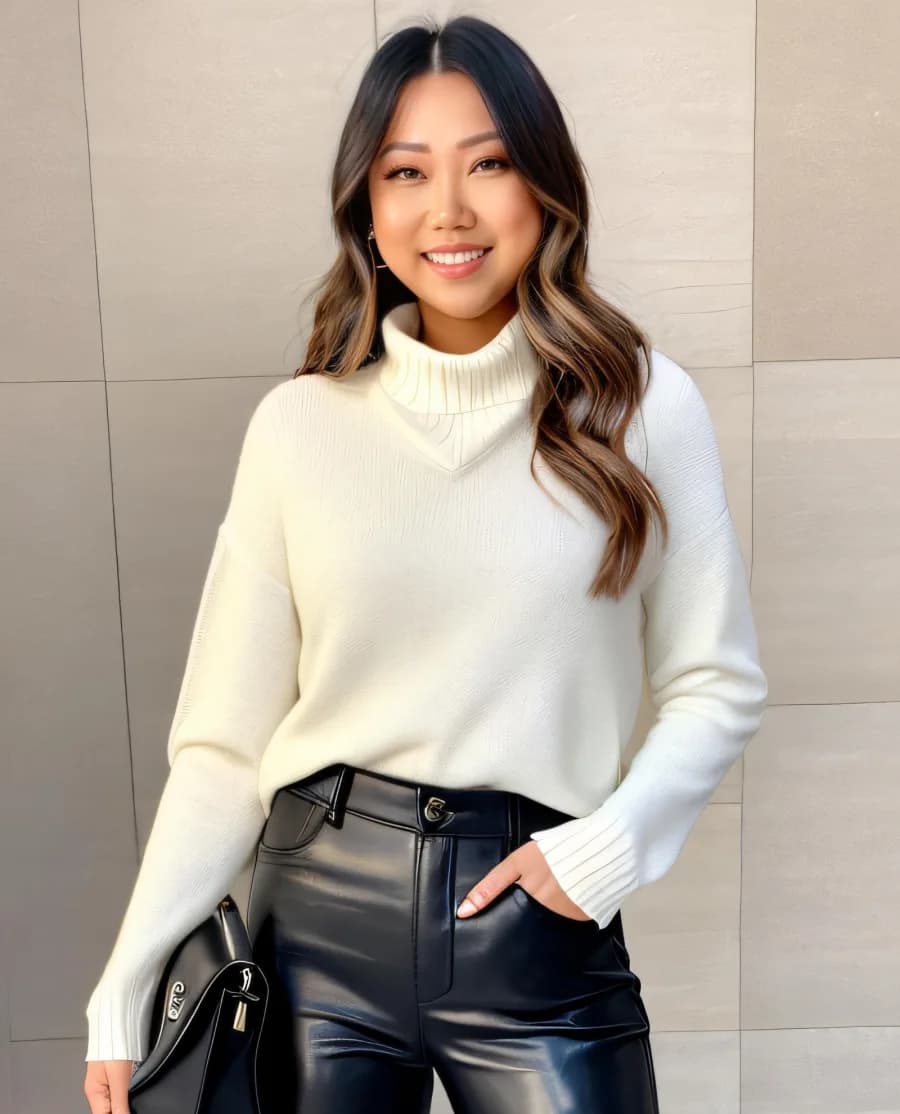
The short version
- The best UGC ads for skincare brands aren't one format. They're a handful of proven structures you rotate and test.
- Problem/solution, texture demos, honest reviews, comedy skits, tutorials, educational videos and shop-with-me each do a different job in the funnel.
- Test formats against each other with the same product and multiple hooks, so you learn what actually moves your audience.
- Keep claims cosmetic, not medical, and give your creator approved claims up front.
I'm Mimi, a Toronto-based UGC creator, and skincare and beauty is where I spend most of my filming days. After working with brands across the US and Canada, I've noticed something: the brands that win with UGC don't ask for "a TikTok about our serum." They ask for a specific format, with a specific hook, for a specific job.
So here are the seven UGC ad formats I use most for skincare and beauty, why each one works, hook ideas you can steal, and a real example from my portfolio for every one.
Why format matters more than "vibe"
A beauty viewer scrolling TikTok or Reels decides in a heartbeat whether your ad is for her. The format is what tells her. A problem/solution ad says "this is about your problem." A texture demo says "look how this feels." A shop-with-me says "this is easy to buy today."
Pick the format based on what your buyer needs to believe before she purchases. Then pick the hook.
| Format | Best job in the funnel | Hook style |
|---|---|---|
| Problem/solution | Stop the scroll on a pain point | Call out the problem |
| Product demo / texture | Show the sensory experience | Pattern interrupt or "you're doing it wrong" |
| Honest review | Build trust with skeptics | "I didn't expect this" |
| Comedy skit | Earn attention and shares | Relatable exaggeration |
| Tutorial / GRWM | Teach the routine | Step one, right away |
| Educational | Explain ingredients or the why | Myth or question |
| Shop with me / in-store | Drive retail purchase | "Come with me to..." |
The 7 formats
1. Problem/solution
What it is: Open on a relatable frustration, then introduce the product as the fix and show it in use.
Why it works: Viewers self-select in the first second. If the problem is hers, she keeps watching. It's the most direct of all the beauty UGC examples here, which makes it a great baseline ad to test everything else against.
Hook ideas:
- "The reason why you are breaking out..." (a hook I've used in this format)
- "If your skin feels tight by noon, watch this."
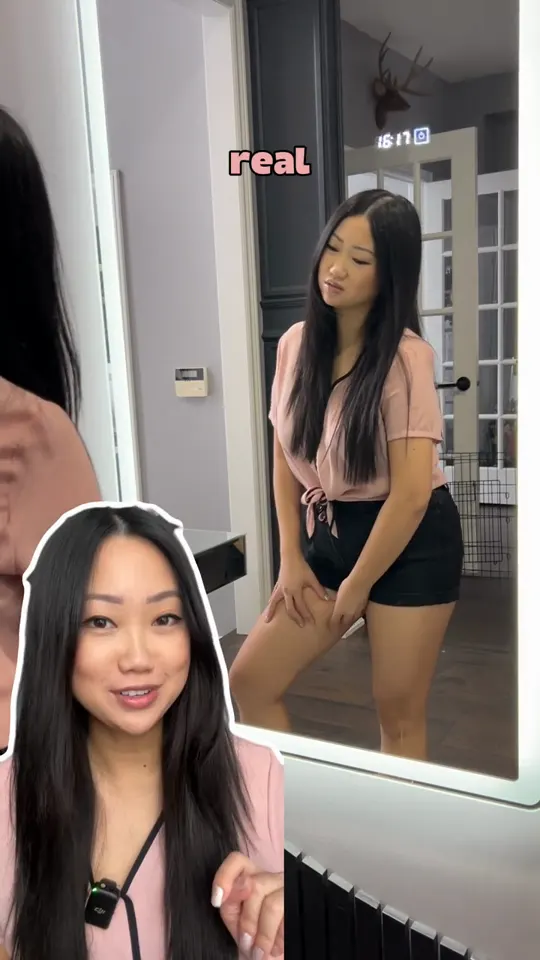
The structure travels outside skincare too. My Kind Laundry problem/solution video uses the same problem-first build.
2. Product demo and texture close-ups
What it is: Tight, well-lit shots of the product: the pump, the swatch, the slip on skin, the finish. Less talking, more showing.
Why it works: Skincare is sensory, and people can't touch it through a screen. Close-ups do the touching for them. This is where a lot of skincare UGC video ideas start, because texture alone can sell.
Hook ideas:
- "You're priming your skin the wrong way." (the hook from my Carpe primer demo)
- Open on the swatch with no intro, then explain.
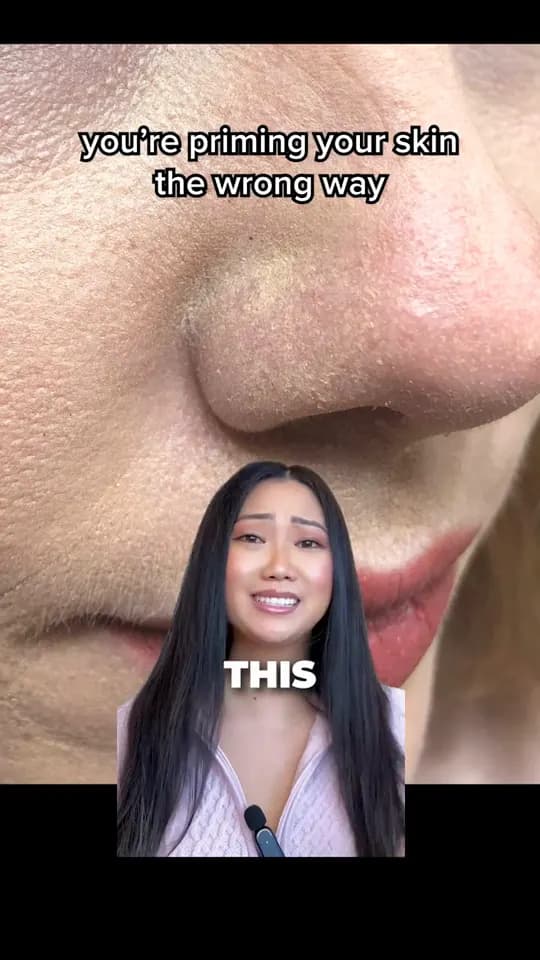
My Cycleair soap bar demo takes the same show-don't-tell approach for body care.
3. Honest review
What it is: A first-person, talk-to-camera review: what I expected, what I noticed, who I think it's for.
Why it works: Skincare buyers are skeptical. A calm, specific review answers the questions she'd ask a friend. Specific beats glowing every time.
Hook ideas:
- "I've been using this K-beauty essence and here's my honest take."
- "Things I wish I knew before buying this."
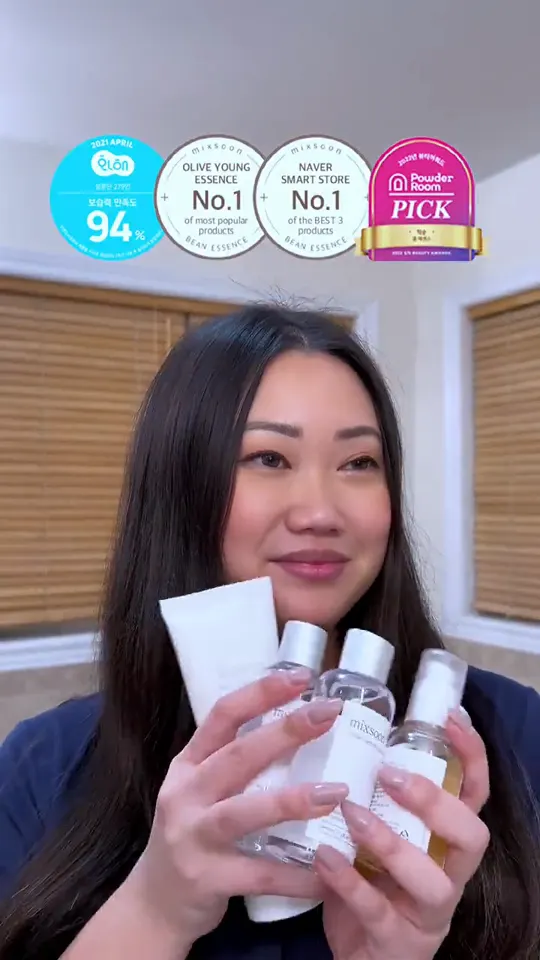
Reviews also work for everyday products, like my Arm & Hammer lifestyle review.
4. Comedy skit
What it is: A short scene, often with characters, that exaggerates the problem before the product saves the day.
Why it works: Funny earns attention people actually want to give, and it gets shared. The product still has to be the punchline, not an afterthought.
Hook ideas:
- "Got your skin feeling drier than a snowman in the sauna?" (my Vaseline opener)
- A dramatic reaction shot before any words.
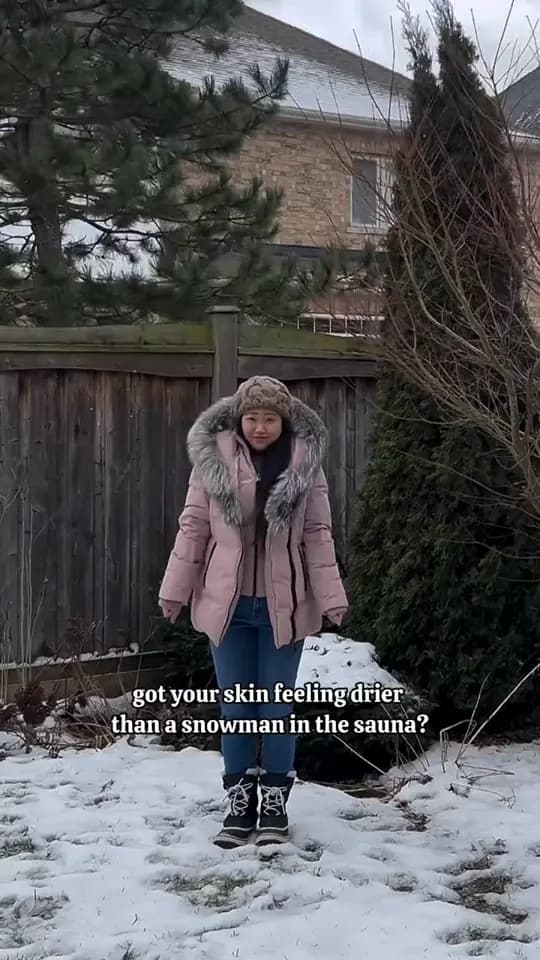
Skits can be two-person, too. My Oréole couple ad uses a partner dynamic to set up the product.
5. Tutorial / GRWM
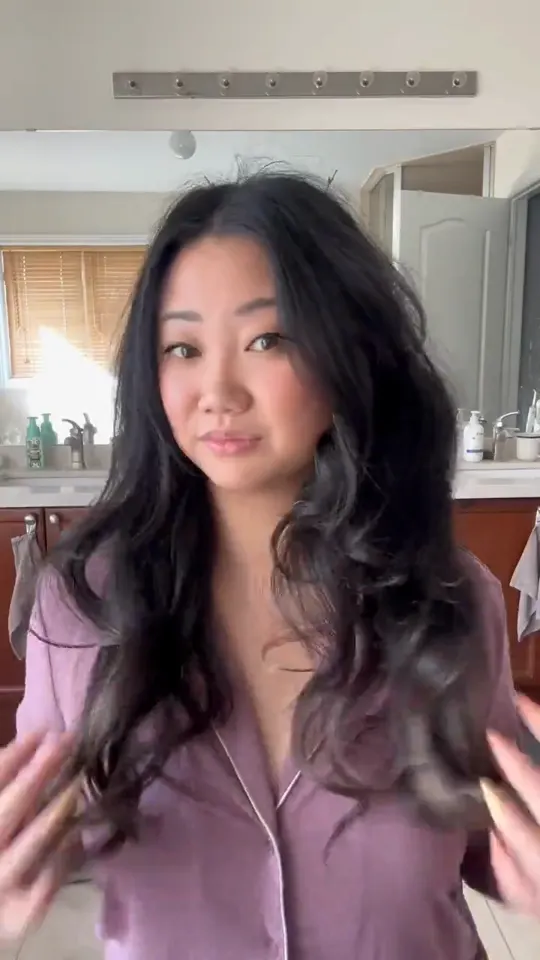
What it is: A step-by-step routine or get-ready-with-me where the product is one clear step.
Why it works: Tutorials show the product in real context, which answers "how would I actually use this?" They also give the viewer a reason to save the video for later.
Hook ideas:
- Start on step one immediately: "First, on damp hair..."
- "My 2-minute routine for..." (only if it really takes that long)
6. Educational
What it is: Teach one thing: an ingredient, a mistake, a myth, then show how the product fits.
Why it works: Education builds authority and gives the viewer a reason to trust the recommendation. It's especially good for ingredient-led brands.
Hook ideas:
- "Here's what nobody tells you about..."
- "Stop doing this if you want..."
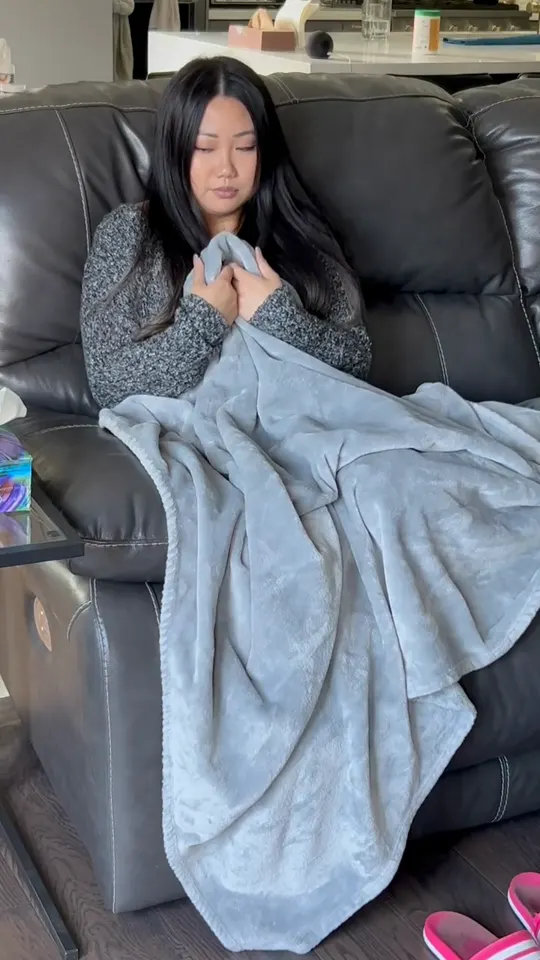
My Amazon educational video follows the same teach-then-show flow.
7. Shop with me / in-store
What it is: I take the viewer into a real store, find the product on shelf, and talk about why I'm picking it up.
Why it works: It shows availability and removes friction. If your product is at a retailer, this format tells her exactly where to get it.
Hook ideas:
- "Come shop with me at..."
- "If you see this on the shelf, grab it."
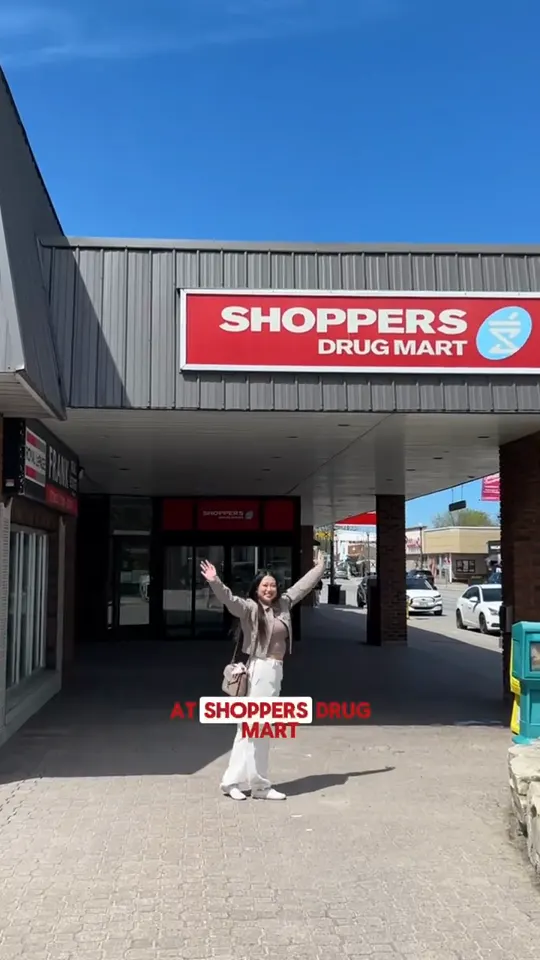
For a promo-focused version, see my Healthy Planet in-store promotion.
How to test formats against each other
This is where most brands leave results on the table. One video in one format tells you very little. A small, structured test tells you a lot.
Here's how I'd set it up:
- Same product, multiple angles. Film the same product as a problem/solution, a texture demo and a review. Now you're testing the format, not the product.
- Hook variations. Keep the body of the video identical and swap only the first few seconds. It's one of the simplest tests you can run, and it's why I offer extra hooks as an add-on.
- Change one thing at a time. If you change the hook, the format and the CTA all at once, you won't know which one mattered.
- Get the raw footage. Raw clips let your editor rebuild new cuts from winning moments without a reshoot.
- Run it as Spark Ads or whitelisted ads. Posting from a creator's handle can feel more native. I cover how that works in my guide to UGC usage rights and whitelisting.
Compliance notes for skincare claims
Skincare is a category where wording matters. This isn't legal advice, but here are the general principles I follow on every beauty shoot.
- Keep claims cosmetic. In the US, the FDA explains that whether a product is treated as a cosmetic or a drug depends on its intended use, which is shaped by the claims made about it (FDA). In Canada, Health Canada says cosmetics can't make therapeutic claims in ads (Health Canada).
- Avoid unverifiable medical claims. "Cures acne" or "heals eczema" are out. "My skin feels softer" describes my experience.
- Brands should provide approved claims. Send me your approved claims list and any words to avoid. I'll script around them so nothing needs to be cut later.
- Be careful with before/after. Only show what's real, and only what your claims support.
- Disclose the partnership. Paid content should be clearly marked as an ad or partnership on the platform where it runs.
Picking your first formats
If you're starting from zero, I'd suggest one problem/solution, one texture demo and one honest review for the same product. That gives you three different reasons to buy and three different hooks to compare. Once you see what lands, layer in skits, tutorials or in-store content.
I'm trusted by 300+ brands, and my audience is 80% women, with 45% in the US and 40% in Canada. That's a good fit if your buyer is a woman in North America. You can see live stats verified by TrustUGC in my results and what brands say in reviews.
Wondering about budget? Read how much UGC costs, or compare my packages. If you're a Canadian brand, my post on hiring a UGC creator in Canada covers what to look for.
Ready to test a few formats? Get in touch and tell me about your product.