The short version
- A great UGC brief is short and specific: one product, one key benefit, one clear audience.
- Lock in the non-negotiables (claims, do-not-say list, deliverables, usage rights, timeline) and leave the delivery to the creator.
- Ask for hook variations so you can test angles without paying for a reshoot.
- Copy the free UGC brief template below, or use the brief form on my site to send it straight to me.
I'm Mimi, a Toronto-based UGC creator working with beauty, skincare, wellness, and tech and app brands across the US and Canada. I've filmed for brands like Vaseline, Amazon, Anua and Motion, and the single biggest factor in how smoothly a project goes isn't the product or the budget. It's the brief.
A clear brief gets you a video that's on-message the first time. A vague one gets you a nice video that answers the wrong question, and a revision round spent fixing it. Here's exactly what I look for in a brief, what to leave out, and a UGC brief template you can copy today.
Why the brief makes or breaks UGC
UGC works because it feels like a real person talking about a real experience. That only happens when the creator understands three things deeply: who they're talking to, what problem the product solves for that person, and what they're not allowed to say.
When those are missing, creators fill the gaps with guesses. Guesses lead to generic scripts, off-brand claims, and footage you can't use in ads. When those are clear, the creator can spend their energy on the part you hired them for: making it feel natural and stopping the scroll.
A good brief isn't long. It's specific.
What to include in a UGC creative brief
1. The product and one key benefit
Name the exact product (and shade, size or version), then pick one benefit to lead with. Not five. If the serum hydrates, brightens, plumps and calms, choose the one your buyer cares about most for this video. You can test the others in the next batch.
2. Audience and pain points
Tell me who's watching and what's bugging them. "Women 25 to 40" is a demographic. "She has dry patches that show through her foundation by lunch" is a pain point I can build a video around.
This is the part brands skip most, and it's the part that matters most. Motion's Creative Lead said I "took the time to understand our target audience's needs and wants," and that understanding starts with what's in the brief.
3. Mandatory claims and a do-not-say list
List the claims I must include, word for word if your legal team has approved phrasing. Then list what I must avoid: competitor names, medical language, words like "cure," or anything your category doesn't allow.
4. Hooks and angles to test
If you have hooks you want tested, share them. If not, tell me the angles you're curious about (problem/solution, honest review, demo, skit) and I'll write hook variations for each.
Here's what a specific hook looks like in practice. For Carpe I opened with "you're priming your skin the wrong way," and for Kind Laundry I opened with "the reason why you are breaking out."
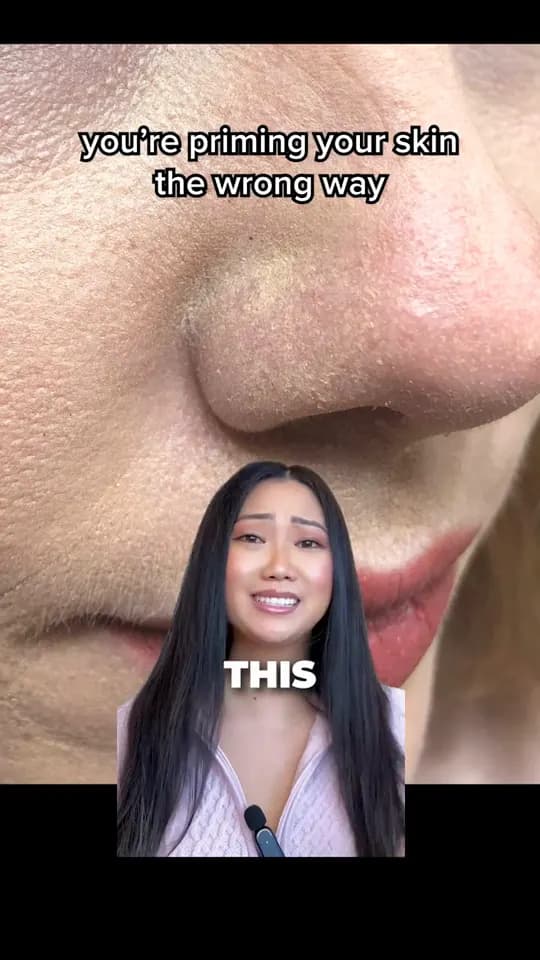 Product DemoCarpeMakeup Primer Demo · 0:36Watch the ad
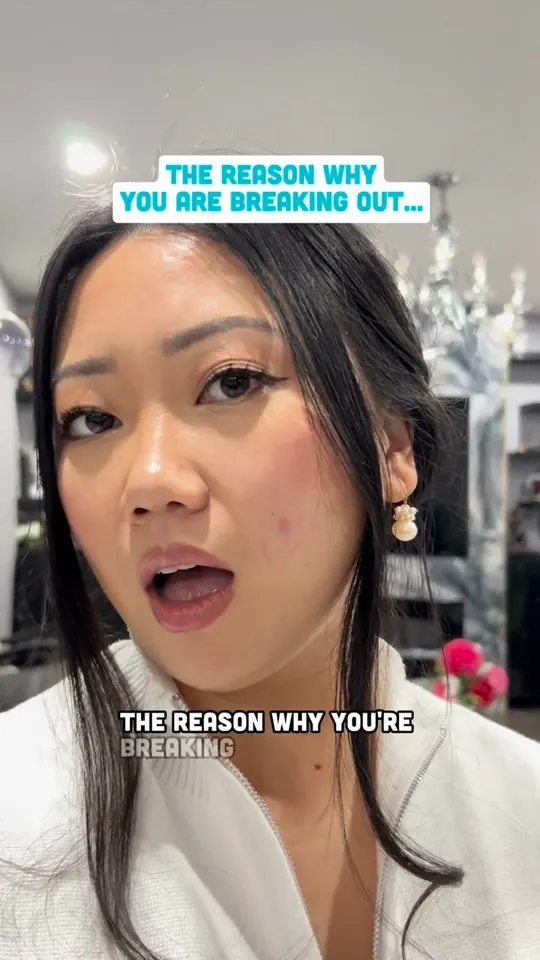 Problem / SolutionKind LaundryProblem / Solution · 0:33Watch the ad
If you're not sure which format fits, my guides to UGC ad formats for skincare and UGC for app ads break them down.
5. Format and length
Tell me where the video will run (TikTok, Reels, Stories, a product page) and the length you're aiming for. Placement shapes pacing, framing and how fast the hook has to land.
6. Deliverables
Be precise about what you expect to receive:
- Number of videos and angles
- Hook variations per video
- Raw footage, if you plan to edit your own cuts
- Captions or subtitles burned in, or clean files without text
- Aspect ratio and any UGC photos
My packages are built around this. The Single includes scripting and two hook variations; The Trio gives you three videos across three angles with two hooks each.
7. Usage rights
Say where the content will live. Organic posting on your own channels is included in my packages. Paid ads, whitelisting and Spark Ads are add-ons priced by duration. If those terms are new to you, read UGC usage rights, whitelisting and Spark Ads, explained before you send the brief.
8. Timeline
Share your draft deadline and your launch date, and note whether the product still needs to ship. If your timing is tight, say so up front. Sandy at Influenergy Marketing noted that "she delivered in a very tight window," and that's easier for any creator when the deadline is in the first message, not the last.
9. References
Link two or three videos you love, from your brand or anyone else, and say what you like about each one. "The pacing of this one" or "the energy of the opener" is far more useful than "make it like this."
UGC brief template (free to copy)
Here's the UGC brief template I'd love every brand to send. Copy it, fill in what you know, and leave blank whatever you'd like the creator to suggest.
UGC BRIEF

Brand:
Product (name, shade/size/version):
Product link:

ONE KEY BENEFIT TO LEAD WITH:

AUDIENCE
Who they are:
Main pain point:
What they've tried before:

MUST SAY (approved claims, exact wording if needed):
-
-

DO NOT SAY (claims, words, competitors to avoid):
-
-

ANGLES / HOOKS TO TEST
Angle 1:
Angle 2:
Hooks you want tested (optional):

FORMAT
Platform(s) and placement:
Target length:
Aspect ratio:
Style (demo, review, problem/solution, skit, tutorial):

DELIVERABLES
Number of videos:
Hook variations per video:
Raw footage needed? (yes/no):
Captions/subtitles? (burned in / clean / both):
UGC photos? (yes/no, how many):

USAGE RIGHTS
Organic on brand channels:
Paid usage (platforms + duration):
Whitelisting / partnership ads / Spark Ads (duration):
Territory:
Exclusivity:

TIMELINE
Product ships by:
First draft due:
Launch date:

REFERENCES (links + what you like about each)
1.
2.
3.

CREATIVE FREEDOM
What the creator can decide:
Anything else we should know:
Prefer not to copy and paste? The brief form on my site asks the same questions and pre-fills an email to me. You'll find it in the contact section.
What to leave to the creator
You hired a creator for their eye and their voice. The brief should protect your message, not script every second. Here's what I'd leave open:
- Exact wording outside your required claims. A line that sounds natural coming from me converts better than a sentence written for a website.
- Setting and styling. I know which corners of my space look good on camera and feel real.
- Shot list and pacing. Tell me the story beats; let me choose how to film them.
- Hook phrasing. Give me the angle and I'll write versions that sound like a person, not an ad.
If your brand needs approval on a script before filming, say so in the brief. That's completely normal, and it's better to plan for it than to surprise anyone later.
Common UGC brief mistakes
These are the ones I see most often:
- Too many benefits. A video that tries to say everything says nothing. One benefit per video.
- No audience detail. Without a pain point, the creator has to invent one, and it may not be yours.
- Hidden must-haves. If the product name has to be said in the first few seconds or the logo must be visible, put it in the brief, not the feedback.
- Unclear usage. Deciding to run organic content as paid ads after delivery means renegotiating. Decide before filming.
- A script disguised as a brief. A word-for-word script removes the thing that makes UGC work. Use required claims and let the rest breathe.
- No references. "Make it engaging" isn't direction. One example link is.
Send me your brief
If you want a second set of eyes on your brief, or you'd like me to take it from here, send it through the brief form. You can see my past work in results and read what brands say in reviews.
Still planning budget? My breakdown of how much UGC costs covers what changes the price, and if you're a Canadian brand, here's how to hire a UGC creator in Canada.