The short version
- UGC usage rights define where a video can run, for how long, in which countries, and whether it can be used in paid ads.
- Organic usage on your own channels is different from paid usage, and paid usage is usually priced separately, by duration.
- Whitelisting on Meta now runs as partnership ads; on TikTok, the creator-handle version is Spark Ads. Both depend on permission the creator grants.
- Agree on channel, duration, territory, exclusivity and raw footage in writing before filming starts.
I'm Mimi, a Toronto-based UGC creator, and the question I get most after "what's your rate?" is "what can we actually do with the videos?" It's a fair question. Usage rights, whitelisting and Spark Ads are where a lot of brand and creator misunderstandings start.
This guide explains the terms in plain language, so you know what to ask for, why some options cost more, and what to put in writing.
What UGC usage rights actually mean
When you hire a UGC creator, you're paying for two things: the work of making the video, and permission to use it. Usage rights are that permission. They answer four questions:
- Where can the video run? (Organic posts, paid ads, website, email, retail screens)
- How long can it run?
- Which countries can it run in?
- Can the creator work with competitors during that time?
Don't assume buying a video means owning it forever, everywhere. Unless your agreement says so, it probably doesn't.
Organic vs paid usage rights
Organic usage means posting the video on your brand's own channels without paying to promote it: your TikTok, Instagram feed, website or product pages. In my packages, organic usage on your own channels is included.
Paid usage means putting ad spend behind the video. Once a video becomes an ad, it can reach well beyond your followers, often for weeks or months, and it's doing direct sales work for your brand. That's why paid usage is priced as an add-on, and with me it's priced by duration.
If there's any chance a video will become an ad, include paid usage in the original brief. My UGC brief template has a section for it.
Duration and territory
Duration is how long you can run the content. Agreements commonly set a fixed term for paid usage, after which you stop running the ad or renew. Always define what happens when the term ends: does the ad come down, or can it stay live on posts already published?
Territory is where the content can run. If you're a Canadian brand launching in the US, or a US brand testing Canada, make sure the agreement covers both markets. I work with brands and agencies in both, and it's one of the easiest details to overlook.
Exclusivity
Exclusivity means the creator agrees not to make content for competing brands for a set period. It protects you from your ad running next to the same face promoting a rival product.
It also limits the creator's income, which is why exclusivity is negotiated separately. Keep it narrow: a specific product category and a specific time frame are fairer and easier to agree on than "any beauty brand, indefinitely."
Raw footage
Raw footage is the unedited clips behind the final video: every take, the B-roll, the alternate lines. It's valuable if your team wants to cut new versions, test different openings or build ads in other lengths.
Raw footage is an add-on in my offer. Your agreement should say whether raw footage is included, and that the usage terms covering the final video also cover any edits you make from the raw files.
Whitelisting and Meta partnership ads
"Whitelisting" is the older industry term for a brand running ads through a creator's account, so the ad shows the creator's name instead of (or alongside) the brand's.
On Facebook and Instagram, the official name is now partnership ads. Meta describes partnership ads, "formerly known as branded content ads," as a way for advertisers to amplify content with a creator or other partner's handle.
In general terms, here's how permission works:
- Post-level permission: the creator generates a partnership ad code for a specific post or reel and shares it with the brand, which uses it in Ads Manager.
- Account-level permission: the creator grants the brand broader access, so it can run partnership ads from the creator's handle without a new code each time. Meta's developer docs describe both account-level and post-level permissioning.
Meta's help center also notes that partners can revoke these permissions, which is one reason the agreement should spell out how long access lasts. Platform menus change often, so always follow the current help pages when you set it up.
TikTok Spark Ads for UGC
Spark Ads let advertisers use organic TikTok posts in their ad campaigns, so the ad runs from the creator's post, with its handle and engagement attached.
The basic flow:
- The creator posts the video to their TikTok.
- In the post's ad settings, they turn on ad authorization and choose how long it lasts. TikTok's help center lists 7, 30, 60 or 365 days.
- The creator copies the code and sends it to the brand, which adds it in TikTok Ads Manager.
One practical note from TikTok's guide: a post's caption can't be edited once it's authorized as an ad. Get the caption right before you send the code.
Spark Ads work best when the video already feels native to TikTok. Problem/solution and skit formats like these are built that way:
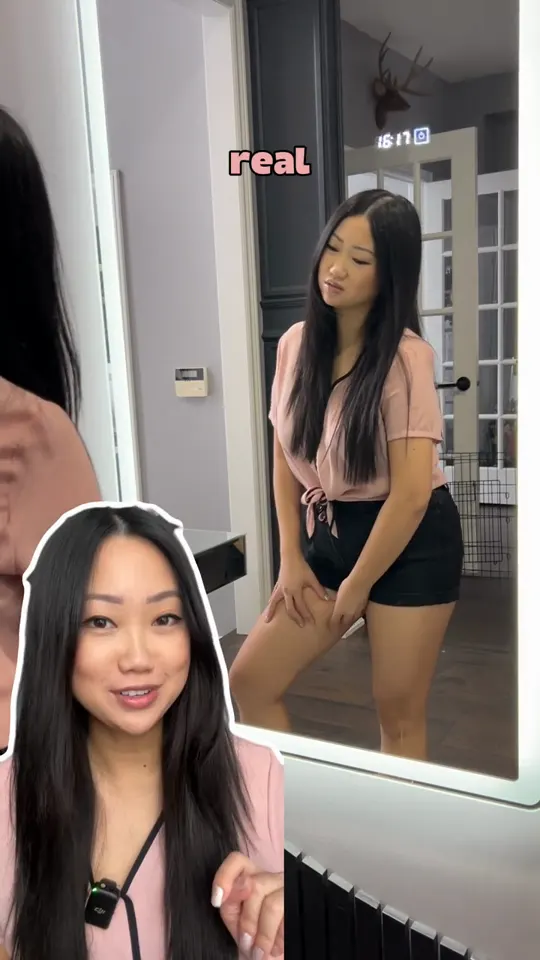 Problem / SolutionMaelysProblem / Solution · 0:37Watch the ad
 Skits & ComedyOréoleCouple Ad · 0:34Watch the ad
Why whitelisting and Spark Ads are priced as add-ons
Running ads from a creator's handle is different from running a video from your brand account:
- It uses the creator's identity. Their name, profile and credibility sit at the top of your ad.
- It runs for a set period. The longer the access, the longer the creator's account is tied to your campaign.
- It's tied to their reputation. Copy and claims that run under their handle reflect on them, so creators are careful about who they say yes to.
That's why I price whitelisting and Spark Ads as add-ons by duration, the same way as paid usage. For more on what drives cost, see how much UGC costs.
Comparing your options
| Option | Where it runs | Whose name is on it | What the brand needs | How I price it |
|---|---|---|---|---|
| Organic usage | Your brand's own channels, unpaid | Your brand | The final files | Included in packages |
| Paid usage | Ads from your brand account | Your brand | Files plus a paid usage term | Add-on, by duration |
| Meta partnership ads | Facebook and Instagram ads | Creator, often alongside your brand | Creator's ad code or account-level permission | Add-on, by duration |
| TikTok Spark Ads | TikTok ads | Creator's TikTok post | Creator's authorization code | Add-on, by duration |
| Raw footage | Your own edits | Depends on how you use it | Unedited files plus clear usage terms | Add-on |
Usage rights agreement checklist
Before filming starts, make sure your agreement covers:
- Deliverables: number of videos, hooks, photos, captions, raw footage
- Channels: organic only, or paid too, and on which platforms
- Duration: start date, end date, and what happens when it ends
- Territory: which countries the content can run in
- Exclusivity: category, time frame, or none
- Whitelisting or Spark Ads: which platform, how long access lasts, who sets it up
- Raw footage: included or not, and how edits can be used
- Approvals: whether the creator reviews ad copy that runs under their handle
- Renewal: how to extend usage if an ad is working
- Disclosure: how sponsored content will be labelled on each platform
Where to go from here
If you're deciding between hiring a creator for content or for their audience, my post on UGC vs influencer marketing explains the difference. Brands in Canada can also read my guide to hiring a UGC creator in Canada.
When you're ready, check my packages and add-ons, then send me your brief and usage needs through the contact form. I'll tell you exactly what's covered before anything is filmed.