The short version
- UGC is content you pay a creator to make for your brand's channels and ads. Influencer marketing is paying a creator to post to their own audience.
- With UGC you pay for the content. With influencer marketing you mostly pay for reach and trust.
- UGC is usually the better fit for paid ads, product pages and testing lots of angles. Influencer marketing is better for awareness and launches.
- The two combine well: whitelisting and Spark Ads let you run creator content as ads from the creator's own handle.
Brands often ask me: "Are you an influencer or a UGC creator?" Fair question, because the line gets blurry online. But the difference matters once you're deciding where to spend your budget. Here's how I explain UGC vs influencer marketing to the brands I work with, and how to tell which one you actually need.
What is UGC?
UGC stands for user-generated content. In marketing, it usually means short, natural-looking videos and photos made by a creator for a brand to use on the brand's own channels.
The creator films your product the way a real customer would: unboxing it, using it, reacting honestly, and explaining why it helped. Then you run the video wherever you need it, such as:
- Paid social ads on TikTok, Instagram and Facebook
- Product pages and Amazon listings
- Email campaigns
- Your brand's organic social accounts
The video doesn't need to be posted on the creator's account at all. You're hiring someone for their skills on camera, their scripting and their editing, not for their followers.
Here are a few examples of what UGC looks like in practice:
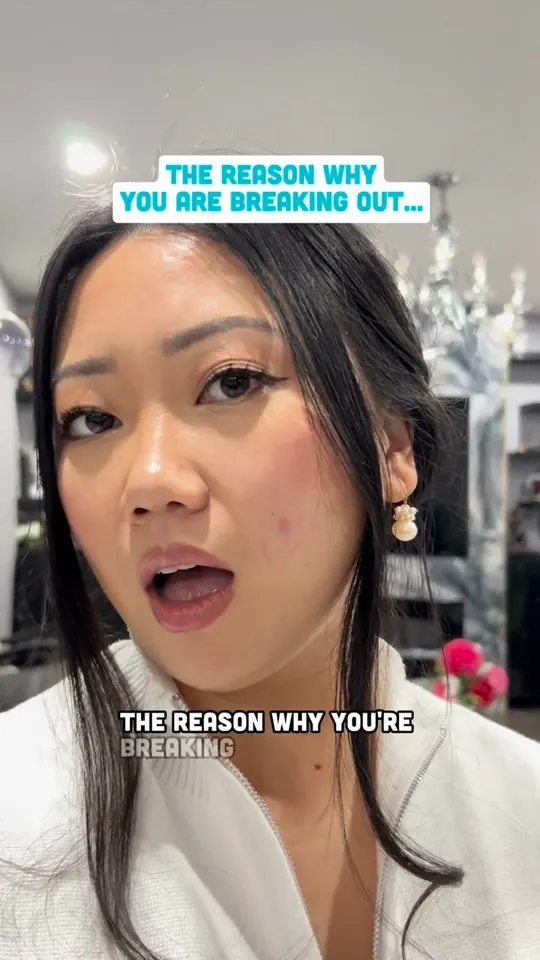 Problem / SolutionKind LaundryProblem / Solution · 0:33Watch the ad
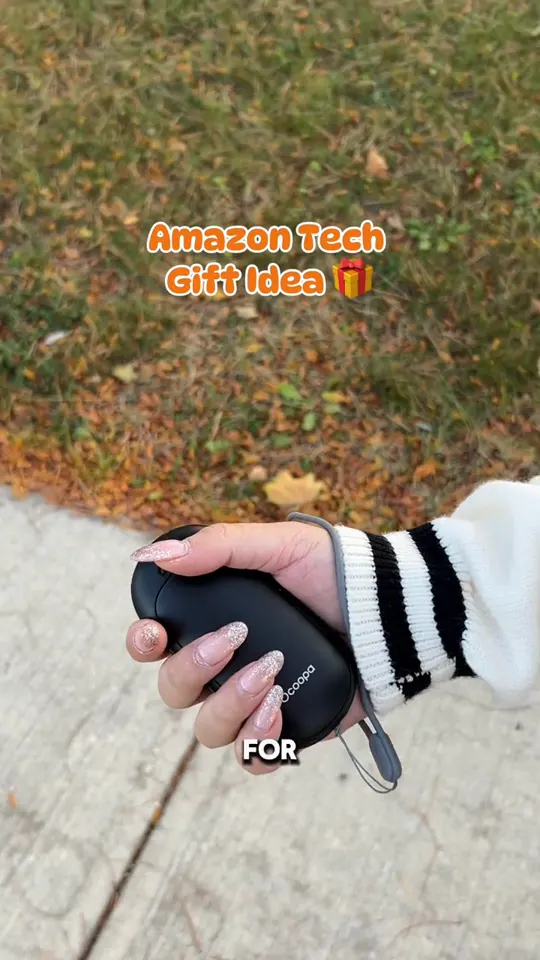 Product DemoAmazon TechProduct Demo · 0:24Watch the ad
 Tutorial & GRWMRevive7Hair Tutorial · 0:58Watch the ad
What is influencer marketing?
Influencer marketing is when a brand pays or gifts a creator to post about a product on the creator's own social accounts. The value is the creator's audience: the people who already follow them, trust their opinion and might buy what they recommend.
Because the post goes out to real followers as a recommendation, it needs to be clearly disclosed as an ad. In Canada, Ad Standards' Influencer Marketing Disclosure Guidelines cover this, and in the US the FTC publishes Disclosures 101 for Social Media Influencers.
UGC creator vs influencer: the real difference
The simplest way to think about it:
- A UGC creator makes content for you. It goes on your channels.
- An influencer shares content with their audience. It goes on their channels.
That one difference shapes everything else: who controls the content, how long it lives, how it's priced and what you can do with it later.
Where the content lives
An influencer post lives on the influencer's profile. It gets the most attention in the first few days and then slides down their feed.
UGC lives wherever you put it. You can run the same video as an ad for months, refresh it with a new hook, cut it down for a product page or drop it into an email.
Who controls it
With UGC, you brief the creator, approve the concept and get the final files. You decide where and how long it runs, within the usage rights you've agreed on.
With influencer marketing, you have input, but the creator is speaking to their own community in their own voice, on their own account. That's part of what makes it work.
How the pricing models differ
I'm not going to quote numbers here, because rates vary a lot by creator, scope and rights. But the logic behind the pricing is different, and that's what matters.
UGC is priced on the content. You're paying for concepting, scripting, filming, editing and the number of videos and hooks you get. Extras like paid usage rights, raw footage or whitelisting are usually added on top. Follower count isn't the main factor.
Influencer marketing is priced on reach. Rates usually track audience size, engagement and how well the creator's followers match your customer. A bigger, more engaged audience generally costs more.
If you want a deeper breakdown of what goes into a UGC quote, read how much UGC costs.
UGC vs influencer marketing at a glance
| UGC | Influencer marketing | |
|---|---|---|
| What you pay for | The content itself | Access to the creator's audience |
| Where it runs | Your ads, website, email and social | The creator's own profile |
| Follower count matters? | Not much | A lot |
| Best for | Paid ads, conversion, creative testing | Awareness, launches, social proof |
| How long it's useful | As long as your usage rights allow | Mostly while it's fresh in the feed |
| Your creative control | High: you brief and approve | Shared with the creator |
| Ad disclosure | Runs as your brand's ad | Creator must clearly label it as an ad |
When UGC makes sense
UGC is usually the better choice when:
- You're running paid social. UGC for paid ads is where it really earns its keep, because ads that look like real people talking tend to blend into the feed. If you work with apps, my post on UGC for app ads goes deeper.
- You need to test angles. Several hooks and formats let you find out what your customers respond to. My guide to UGC ad formats for skincare shows the main options.
- You want content for your product pages and emails.
- You want control over messaging, claims and timing.
My Motion AI app demo is a good example of UGC built as ad creative for a brand, not a post for my followers. Motion's Creative Lead said "the ads she made were 10/10!", and that's the feedback I care about most: does it work as an ad?
When influencer marketing makes sense
Influencer marketing is usually the better choice when:
- You're launching and want lots of eyes on the product quickly.
- You need trust from a specific community, like a skincare expert's followers or a niche gaming audience.
- You want social proof that lives on someone else's profile, not just your own ads.
- Brand awareness is the goal, more than direct sales from a specific ad.
How UGC and influencer marketing work together
You don't have to pick only one. Some of the best campaigns blend both.
Whitelisting and Spark Ads
Whitelisting (on Meta) and Spark Ads (on TikTok) let a brand run ads through a creator's account, so the ad shows the creator's name and handle instead of the brand's. You get the native feel of a creator post with the targeting and budget control of a paid ad.
This works for UGC creators as well as influencers. I offer whitelisting and Spark Ads as an add-on to my packages, and I cover how the permissions work in my usage rights guide.
Turning influencer posts into ads
If an influencer post performs well organically, you may want to run it as an ad. That usually needs extra usage rights, so agree on them up front rather than after the post takes off.
Hiring one creator for both
Some creators, including me, focus on UGC but can also post on their own accounts. My packages are built for your channels, and if you want a video on my TikTok or Instagram as well, I quote that separately. My audience is 80% women, mostly in the US and Canada, and you can check my live performance stats in the results section before you decide. If you're hiring in Canada specifically, my guide on how to hire a UGC creator in Canada covers vetting and red flags.
A quick decision checklist
Answer these honestly:
- Do you need content you can run as ads? Go with UGC.
- Is your main goal reach and awareness? Go with influencer marketing.
- Do you want to test lots of hooks and angles? UGC.
- Is a specific creator's community your target customer? Influencer marketing.
- Do you need content for your website, product pages or emails? UGC.
- Do you want the creator's name on your ads? UGC or influencer content, plus whitelisting or Spark Ads.
If most of your answers point to UGC, start with a small test. A few videos with different angles will teach you more than one big influencer post. The first step is a clear brief, and my guide on how to write a UGC brief makes that easy. When you're ready, send me your brief and I'll suggest the angles I'd test first.